Moving to Ireland
You’ve landed. Here’s every step.
No essays to read. Just the exact apps, links, numbers and documents you need for your first weeks in Ireland, in the order you’ll need them.
01 · Before you fly
Get a phone number
Land with data on a travel eSIM, then get a real Irish number, as an eSIM or a shop SIM, in your first days.
Links & apps
Day one: land with data on a travel eSIM
Installs in minutes, works the second you land. Data only, no Irish number yet.
Cheapest trusted travel eSIM. Ireland plans from ~€10.50 (3-day); an EU-wide plan starts ~€4. Top up in the app.
From ~€10.50
Clean app, good-value data bundles. A solid alternative to Airalo.
From ~€4
Unlimited data, priced per day. Only worth it for heavy users on short trips.
Unlimited · pricier
Links & apps
Your Irish number: get an eSIM, skip the shop
A real Irish +353 number, set up online. No queue, no plastic, and you keep the same number as long as you top up.
Unlimited data, calls & texts, no contract. Order the eSIM online and scan the QR to activate. Best all-round value.
~€14.99/mo · eSIM
Ireland's biggest network with the strongest rural coverage. Prepay or bill-pay eSIM. Pricier, but the surest signal.
Prepay from ~€20
Cheap Irish number with very low international call rates, popular for calling home. Runs on the Three network.
From ~€10 · eSIM
Cheap unlimited-data plans, all online. Popular with students; set the eSIM up in the app.
~€12.99/mo · eSIM
At a glance
Travel eSIM vs an Irish eSIM
Travel eSIM (day 0)
- When
- Before you fly
- Gives you
- Data only, foreign number
- Best for
- Your first few days
Irish eSIM
What you need- When
- Day one, set up online
- Gives you
- A real Irish +353 number
- Best for
- Banks, jobs, landlords
Manavi's tip
Already happy with your eSIM? Skip the plastic SIM
If your eSIM already gives you an Irish +353 number and the service is good, there's nothing to switch.
- No need to queue for a physical SIM or pay for a second plan
- You keep the same number as long as you top up or stay active
- Only get a plastic SIM if your phone has no eSIM support, or you want a spare
Links & apps
Rather have a plastic SIM? Buy one in a shop
Same networks, just physical. Grab one at the airport, any Three or Vodafone shop, Tesco or Spar.
All-you-can-eat data prepay; SIMs sold at the airport arrivals shops.
~€20/mo
Flexible prepay bundles on the Three network; buy in any Tesco.
From ~€7.99
Cheap international calls; SIMs stocked in most convenience shops.
From ~€10
Best coverage; top-up SIMs sold nationwide.
From ~€20
Official
Three networks sit behind every brand
Ireland really has three mobile networks, everything else rides on top of them, so pick on price not the logo.
- The networks: Vodafone, Three and Eir, each strongest on their own masts
- Value brands ride them: GoMo on Eir; 48, Tesco Mobile and Lycamobile on Three
- You often buy the very same coverage far cheaper, compare data and call rates
02 · The moment you land
Dublin Airport to your door
Which bus, coach or taxi to take, roughly what it costs, and exactly where to catch it.
Find your way out
From the plane to the coach in 4 steps
Bus & coach
Coach plaza: T1 Zones 1–2, T2 Zones 20–21
Walk out of Arrivals to the numbered coach zones. Dublin Express, Aircoach and Dublin Bus each have their own zone, it's printed on your ticket.
Taxi rank
Outside each terminal: T1 at Zone 3
Only take official metered taxis from the rank, or book FreeNow / Uber / Bolt. Never accept a lift offered to you inside the terminal.
At a glance
What it costs to the city (approx.)
Indicative single fares, check the operator on the day.
Cheapest; ~45–60 min
Fastest to the centre; book online
Door to door; rank outside arrivals
Links & apps
Coaches: book online, fast to the centre
Catch these at the ground-floor coach plaza outside Arrivals (T1 & T2).
Links & apps
Cheapest buses & taxi apps
Public buses need a Leap Card or the TFI Go app; taxis by the rank or app.
Cheapest way in, pay with a Leap Card or TFI Go. Catch it at airport Zones 11 & 15.
€2.00 with Leap
Ireland's main taxi app. Metered, licensed drivers. Rank is at T1 Zone 3.
~€30–45 to centre
Both operate in Dublin but dispatch licensed taxis only, same fares as FreeNow.
Licensed taxis
Buy at WHSmith (T1) or Spar (T2). Get TFI Go (tickets) & TFI Live (real-time). Daily cap €6.
Up to 30% cheaper
Watch out
The old Airlink 747 is gone
The Airlink 747/757 airport buses were discontinued, so don't stand at their old stops looking for them.
- Dublin Express 782/784 and Aircoach 700/702 are the coach options now
- Dublin Bus 16 and 41 are the cheapest routes (Leap card fare)
- Taxis: use the official rank or FreeNow, Uber and Bolt
Links & apps
Heading beyond Dublin?
Coaches and trains to the rest of Ireland leave from the airport or the city.
03 · Passport control
Passing through immigration
The officer decides how long you can stay. Have your answers and papers ready in your hand.
At a glance
Carry these in your hand luggage
Originals, in your cabin bag, never in a checked suitcase.
Passport + visa
Valid for your whole stay
Permit / job offer
If coming to work
College letter
If coming to study
Accommodation proof
Booking or host address
Proof of funds
Recent bank statements
Insurance certificate
Private medical / travel
At a glance
Be ready to answer
- Where have you travelled from?
- Why are you coming to Ireland: work, study or a visit?
- How long do you plan to stay?
- Where will you be staying?
- Can you support yourself financially?
- Do you have a return or onward ticket?
Watch out
The stamp is not your registration
The stamp in your passport is only landing permission with a date on it.
- Staying over 90 days? You must still register your permission (IRP)
- Registration happens later, not at the airport
- See the PPS, tax & IRP step below for exactly how
04 · Your first weeks
Find somewhere to live
Dublin is tight, reply fast with documents ready. Here's where to look and what to send.
Links & apps
Book a short stay before you fly
Land with a bed already booked, then hunt for a long-term place in person from there. All bookable online now.
The biggest hostel platform. Filter by price and rating; book a few nights or a few weeks.
Apartment-style rooms with a kitchen and weekly rates. Great for your first 2 to 4 weeks.
Self-catering
Modern social hostel in Smithfield with private and dorm rooms. Central and well reviewed.
Clean, central hostel beside Connolly Station and Busáras, handy for onward travel.
Hotels, B&Bs and guesthouses. Filter for free cancellation so your dates stay flexible.
Reliable budget hotel chain with several Dublin locations. Easy, predictable booking.
Manavi's tip
Use a short stay as your launchpad
A week or two in a central hostel or aparthotel lets you view long-term places in person, the only safe way to rent.
- Book somewhere central so viewings are a short hop away
- Ask about weekly or monthly rates, they are often much cheaper
- Choose free cancellation in case you find a place fast
Links & apps
Student accommodation, often cheaper and all-inclusive
Purpose-built student housing suits students and younger newcomers: rooms and studios with bills, wifi and social spaces included, so there is far less to set up.
Purpose-built student living across six Dublin residences (Binary Hub, Beckett House, Dorset Point, The Loom, Montrose, Stephen's Quarter). Managed en-suite and studio rooms with bills included. Suits TCD, UCD and TU Dublin students.
Ireland's largest student-accommodation operator, with 12+ residences across Dublin and Cork. All-inclusive rooms, studios and shared apartments with bills, wifi and social spaces. Good for UCC, MTU, TCD, UCD and DCU.
Links & apps
Book a room through your university
Most Irish universities run their own campus residences. Apply early through the official accommodation page for your college.
Dublin
Dublin
Dublin
Dublin
Galway
Cork
Limerick
Maynooth, Co. Kildare
Galway / Sligo / Donegal / Mayo
Links & apps
Where to search
Set up alerts and reply within minutes, good listings go fast.
Ireland's biggest rental site. Turn on instant alerts.
Rooms in shared houses, cheaper than renting a whole place.
The second-largest dedicated rentals portal.
Irish Times property portal, also carries rentals.
There are a lot of groups on Facebook specific to accommodation in Ireland.
At a glance
What a landlord can ask for
Have digital copies ready before you enquire.
Photo ID / passport
Job contract or offer letter
References
Previous landlord / employer
Proof of funds / payslips
PPS number
Sometimes requested
Deposit + 1st month rent
Only after viewing
Copy & send
Copy-paste landlord enquiry email
Reply the second a listing appears. Fill the [brackets] and send.
Subject
Enquiry: [1-bed / room], [Area], Dublin [X]: Daft ref [XXXXXX]
Dear [Agent / Landlord name], I'm writing about your listing for the [1-bedroom apartment / room] at [area] on Daft.ie [ref: XXXXXX], advertised at €[amount] per month. It looks a great fit and I'd love to arrange a viewing. A little about me: • [Full name], [nationality], moving to Dublin for [work / study]. • I've started as a [job title] at [company] / I'm a [course] student at [university]. • Looking to move in from [date], seeking a [12-month] tenancy. • [Just myself / myself and my partner], non-smoker, no pets. I can provide on request: photo ID, proof of employment/study, references (previous landlord and employer), proof of funds, and my PPS number. Could we arrange a viewing? I'm flexible, including evenings. You can reach me on [+353 …] or here. Thank you for your time. Kind regards, [Full name] · [Phone]
Keep it short. Offer documents on request; don't attach them on first contact.
At a glance
Average Dublin rent, 2026
Daft.ie Rental Report, Q1 2026, open-market averages, approximate.
Common scam
Never pay before you view
Rental scams target newcomers hard. If any of these appear, walk away.
- A 'landlord abroad' who can't meet, or a deposit before an in-person viewing
- A listing priced well below everything else in the area
- Payment by wire, Western Union, gift card or crypto
- Always photograph the landlord's ID and get every payment in writing
05 · Get set up
Open a bank account
Open a free digital account before you fly, then add an Irish high-street bank once you have an address.
Links & apps
Open before you fly / on day one
Phone + passport only. No Irish address needed, so you have an IBAN immediately.
Links & apps
Irish high-street banks
Need proof of an Irish address. BOI lets you apply up to 45 days before you arrive.
Apply up to 45 days before arrival. Accepts a Revenue/college/DSP letter as address proof.
Apply pre-arrival
Open in-app once resident; confirms your address by posted code. Student accounts are free.
No transaction charges, cashback. Accepts a DSP PPSN letter as address proof.
At a glance
Which documents do you need?
If you're a student
Fee-free- ID
- Passport / EU ID
- Address proof
- College enrolment letter
- Best picks
- AIB / BOI student + Revolut
If you're here to work
- ID
- Passport / EU ID
- Address proof
- Bill / employer / Revenue / DSP letter
- Also
- PPS number + job letter
Manavi's tip
The proof-of-address catch
Banks want an Irish address document you can't get until you've moved in. Here's the workaround.
- Open Revolut or N26 before you fly for an instant IBAN
- Add AIB, BOI or PTSB once you have a bill or a DSP PPSN letter
- PTSB does not accept Revolut/N26 statements as address proof
Official
Deposit protection differs
All the banks here protect up to €100,000, but under different countries' schemes.
- AIB, BOI and PTSB: the Irish Deposit Guarantee Scheme
- Revolut: the Lithuanian scheme. N26: the German scheme
- Same €100,000 cap, different country and claims process
06 · Government admin
PPS, tax & registering your permission
Three jobs: get a PPS number, register for tax before your first payday, and get your IRP card.
At a glance
Get your PPS number (free)
- Create a basic MyGovID
Email + password is enough to start
- Apply on MyWelfare.ie
Upload ID, Irish address, reason (job/college)
- Attend an in-person appointment
Identity checked at an allocation centre
- Number arrives by post
Usually a few weeks
At a glance
Register your permission (IRP card)
- Book online with ISD
After you have your landing stamp
- Attend Burgh Quay, Dublin
The nationwide first-registration office
- Pay €300 by card€300
Photo + fingerprints taken
- IRP card posted
Allow 10–15 working days
Links & apps
Tax: do this before your first payday
Register your first job on Revenue so you're not put on emergency tax.
Manavi's tip
Only your first job needs registering
Register your first job yourself on Revenue myAccount, ideally before your first payday.
- Skip it and you'll be emergency-taxed at up to 40%
- Every later job your employer registers for you
- Just give each new employer your PPSN
07 · If you get sick
Health & emergencies
Who to call, where to go, and what it costs. A pharmacy is often the fastest, cheapest first stop.
Links & apps
Urgent & emergency care
112 and 999 are both free from any phone, even with no credit.
Life-threatening only. Give your exact location.
112 / 999
General health info, medical card & GP-visit-card help.
1800 700 700
Faster than A&E for breaks, sprains, wounds and minor burns.
Register with a local GP early, practices have waiting lists.
At a glance
What emergency care costs
€100
A&E without a GP referral
€75
Injury Unit (no referral)
€0
With a GP referral or medical card
€0
Life-threatening 999 ambulance
Official
How the HSE works for newcomers
Public healthcare access follows residence, not visa type.
- 'Ordinary residence' means living here, or intending to, for at least a year
- Your immigration status itself doesn't decide access
- Most non-EEA students and many permit holders must also hold private health insurance
Manavi's tip
Pharmacist first
For coughs, colds and minor ailments, skip the GP queue.
- No appointment needed and low cost
- Pharmacists advise on the spot and sell most everyday remedies
- They'll tell you straight away if you actually need a GP
08 · Save these now
Safety, racism & your rights
Put these numbers in your phone today. If you ever face racism or a hate crime, you have real channels to report it.
Links & apps
Report racism or a hate crime
You can report to the Gardaí and to INAR, they serve different purposes.
Official non-emergency reporting to the Garda Diversity Unit.
Confidential racist-incident tool; upload photos/video. Not a Garda report.
diversity@garda.ie · runs the hate-crime system
(01) 666 3150
Human rights & equality body · 01 858 9601
Free, confidential immigration & anti-racism support
(01) 674 0200
At work, in shops, housing or services · 0818 80 80 90
Links & apps
Support helplines
Free and confidential. Most are open 24/7, save them now.
Emotional support, 24/7
116 123
24/7 · or text HELP to 51444
1800 247 247
Domestic abuse, 24/7
1800 341 900
Sexual violence support, 24/7
1800 77 8888
Support after any crime · text 085 133 7711
116 006
Support 7 days a week
1800 929 539
Manavi's tip
Save the numbers before you need them
Thirty seconds today saves panic later. Add these to your phone favourites now.
- 112 or 999 (free, works from any phone)
- Your local Garda station once you know your area
- One support line that fits your situation from the list above
09 · Settling in safely
Stay street-smart
Dublin is a safe, friendly city. A little everyday awareness, mostly late at night, is all you need to feel at home fast.
Manavi's tip
Dublin is broadly safe. Read this as awareness, not alarm.
Dublin is a broadly safe, welcoming city, and the vast majority of residents and visitors never experience any trouble. Read the notes below as gentle awareness for your first weeks, not a scare list.
- Ireland consistently ranks among the safest countries in the world
- The areas below are worth a little extra awareness mostly late at night
- By day they are ordinary, busy parts of the city that people pass through freely
Links & apps
The one number to save first
Programme this now, then read the rest at your leisure.
Both numbers work and are free from any phone, even with no credit. Give your exact location.
112 / 999
Book licensed, metered taxis. Look for the roof sign and driver ID, and avoid unlicensed lifts.
The Gardaí (Ireland's police) are approachable and unarmed. Ask an officer for directions or help anytime.
Local knowledge
Areas to know, mostly after dark
These notes are simply about where to keep your wits a little sharper, especially late at night. They are practical awareness for settling in, not a ranking of “dangerous” places.
O'Connell Street and its side streets
The main thoroughfare (including Talbot Street and Parnell Street) is fine by day but can feel busier and rowdier late at night. Keep bags secured and stick to well-lit, populated routes after dark.
Temple Bar, late at night
Dublin's main nightlife district is enjoyable earlier in the evening but gets very crowded and boisterous after midnight, so mind your belongings and pace your night out.
The Liffey Boardwalk after dark
The riverside walkway is pleasant in daylight but quieter and less overlooked at night, so many locals prefer the parallel streets when walking alone in the evening.
Pearse Street and the south inner city
Sources note higher recorded crime figures here, largely petty and public-order incidents concentrated in the dense city centre. Normal city-centre awareness is sensible.
Store Street and the north inner city
Around Connolly Station this is a busy transport hub that records more incidents simply because so many people pass through. Keep valuables close in crowds and around stations.
Smithfield and the Bridewell area
A regenerating district that is generally fine by day. As with much of the inner city, be a bit more aware walking alone late at night.
Outer suburbs: Tallaght, Blanchardstown, Clondalkin
Large residential and shopping districts far from tourist areas. Higher total incident counts mainly reflect their big populations rather than everyday risk to visitors, and per-person rates are much lower.
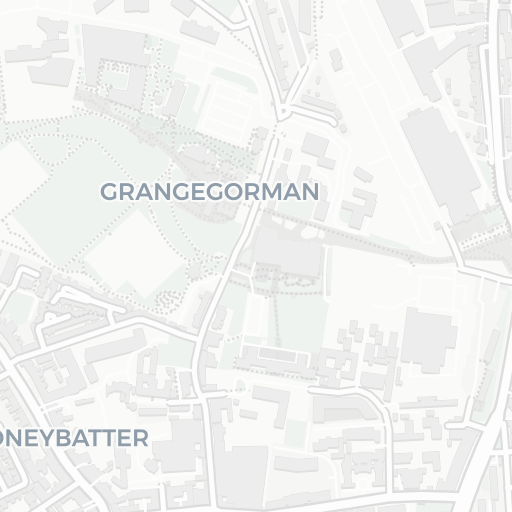
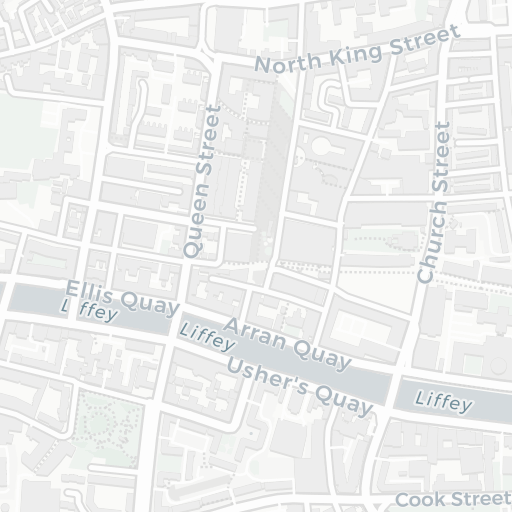
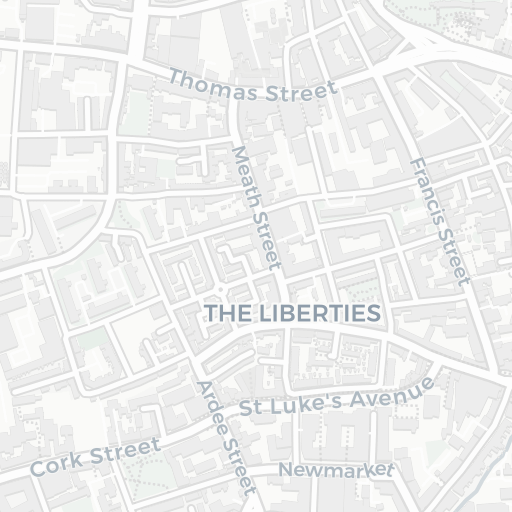
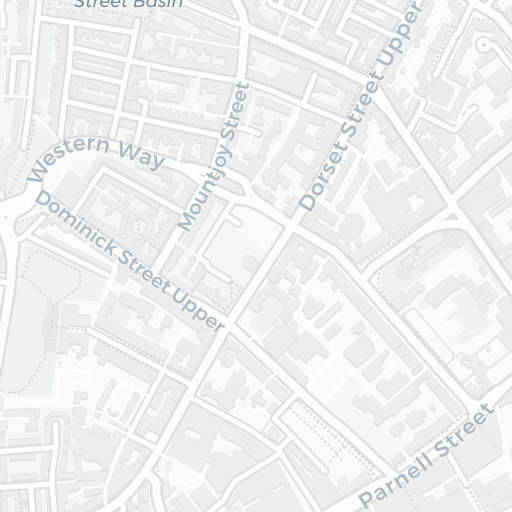
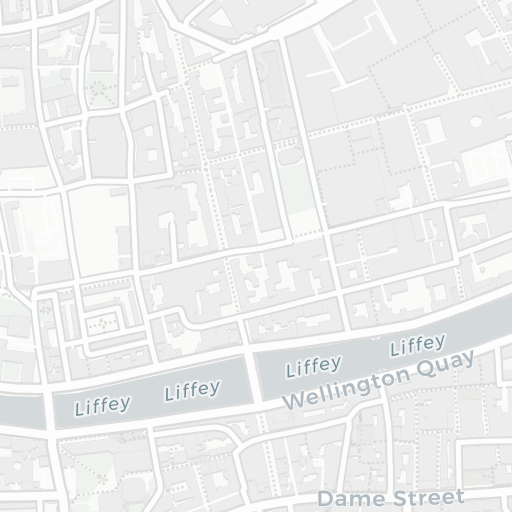
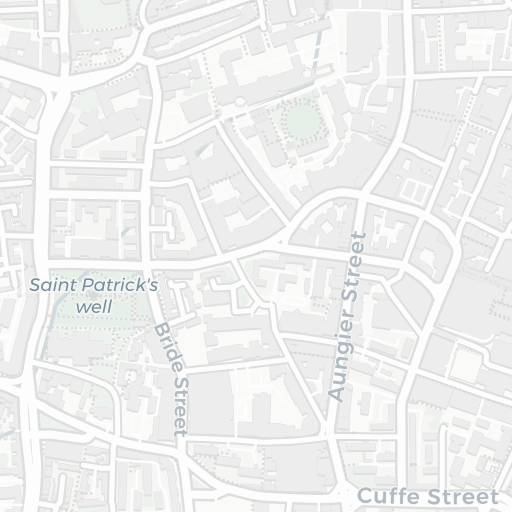
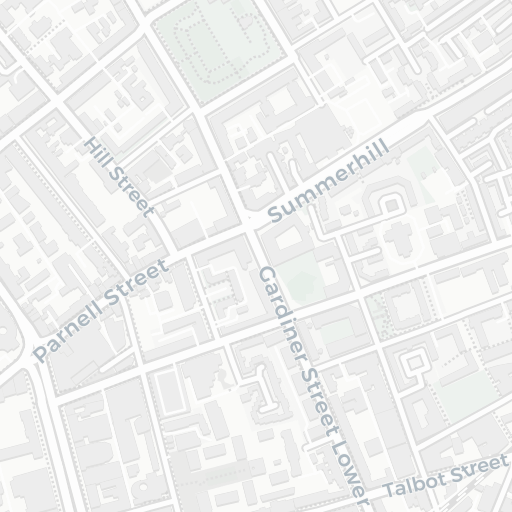
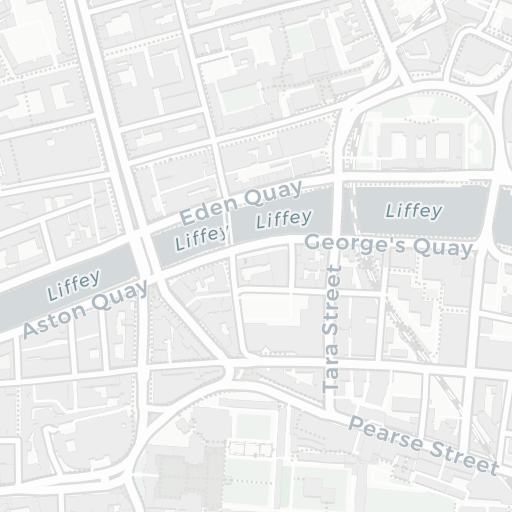
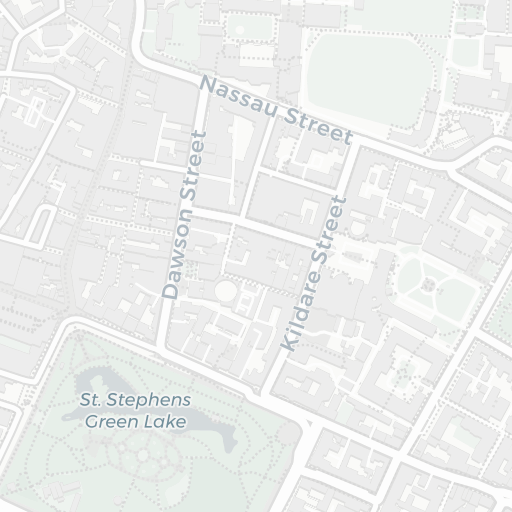
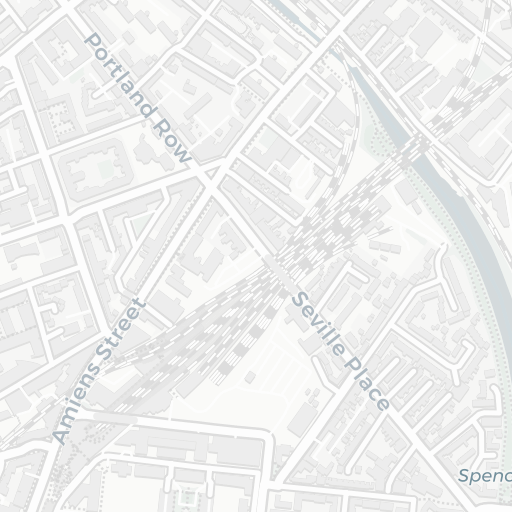
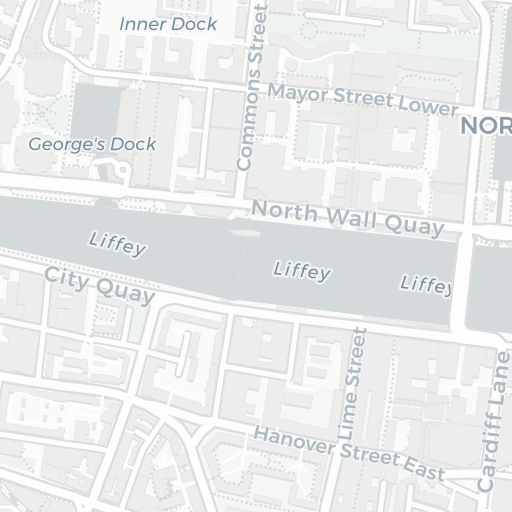
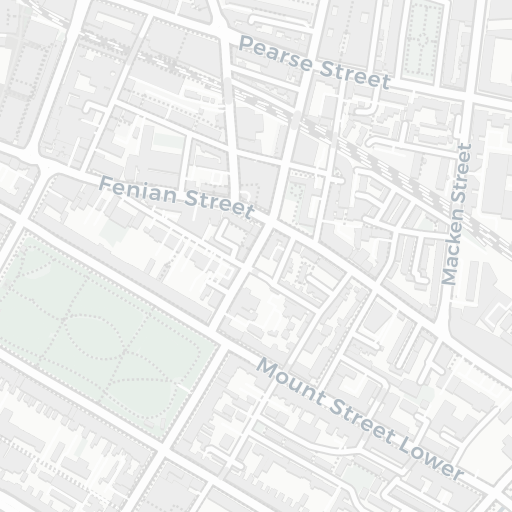
On the map
Where these areas are
A numbered pin for each area above, on Dublin's compact city centre with the River Liffey running through it. Hover a pin, or tap a number below, to see which is which.
At a glance
Simple street-smart habits
Most trouble is opportunistic. These small habits handle the vast majority of it.
- On buses, the Luas tram and the DART or train, and in crowded tourist spots, keep bags zipped and worn across the body. Pickpocketing and bag-snatching are the most common issues.
- At night, stick to well-lit, busy streets, walk with others where you can, and trust your instincts if an area feels too quiet.
- On a night out, keep an eye on your drink, do not leave it unattended, and pace your alcohol.
- Do not leave phones, laptops or bags visible in a parked car, and lock valuables away. Theft from vehicles is the main car-related risk.
- Carry only the cash and one card you need, keep a copy of your passport separate from the original, and be wary of distraction tactics or offers that seem too good to be true.
Manavi's tip
Settling in? These areas suit newcomers
When you choose where to live, well-regarded residential areas are popular with newcomers and easy to commute from.
- Phibsborough and Portobello, close to the centre and lively
- Rathmines and much of the southside suburbs, leafy and well connected
- Look for a short, well-lit walk or a quick bus, Luas or DART to work
Still have questions?
Ireland is small. With the right guide, your move is simple.
This page covers the essentials. For your exact situation, whether it is your visa, permit, family or timeline, book a consultation and our team will map it out with you.
Book a consultation